
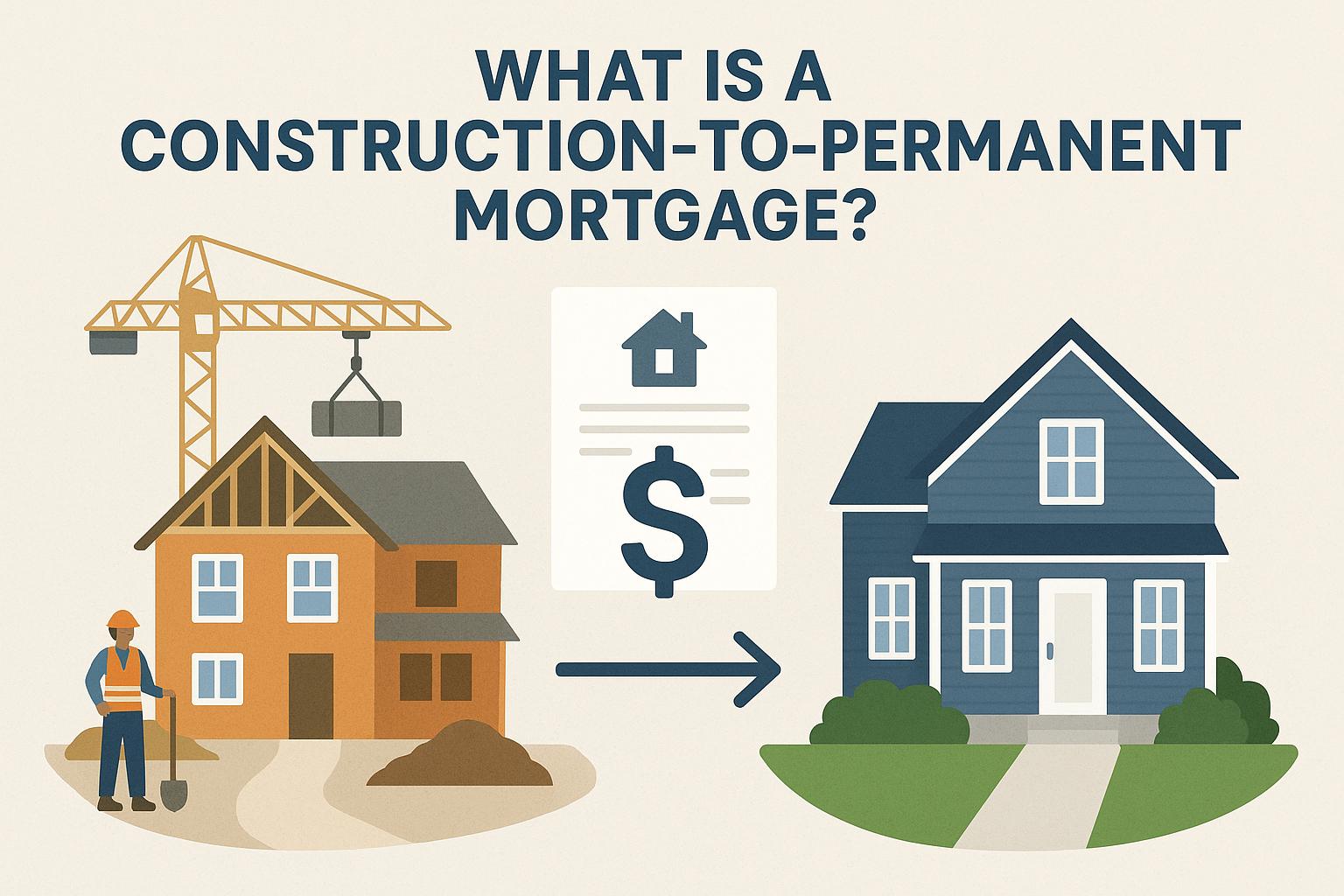
A construction-to-permanent mortgage, sometimes referred to as a single-close loan, is a financial product that integrates the funding needed for building a home with the mortgage required to buy the finalized property. This type of loan is designed to streamline the home-building process, sparing borrowers from the need to acquire separate loans: one for the construction and another for the permanent mortgage once the home is ready.
Construction-to-permanent loans kick off with an initial stage where the construction occurs. During this phase, the loan is usually structured as an interest-only loan. This setup allows the borrower to make reduced payments while the home is under construction. After completion, the loan effortlessly transitions into a traditional mortgage. At this juncture, borrowers start paying both the principal and interest.
One major benefit of a construction-to-permanent mortgage is the convenience it provides. Borrowers are required to apply only once, which reduces a significant amount of paperwork and cuts down the time and tension typically associated with obtaining a separate construction loan and then a subsequent mortgage.
Furthermore, these loans are cost-efficient. By merging the two loans into one, borrowers generally deal with just one set of closing costs, which can lead to savings in the thousands when compared to managing two distinct loan processes.
During the construction phase, the loan typically carries a variable interest rate that covers solely the interest payments. When the loan transitions to a permanent mortgage, borrowers have the option to lock in either a fixed or adjustable interest rate. These choices often hinge on the borrower’s preferences and prevailing market conditions.
The duration and terms of the permanent mortgage vary, with 15- to 30-year terms being the most prevalent. Before the construction phase kicks off, borrowers should engage in negotiations and finalize the loan terms to ensure these align with their fiscal objectives.
This mortgage option is particularly attractive to prospective homeowners who are planning a custom build. For individuals who value the simplicity of coordinating with a single lender and minimizing the steps involved in home financing, a construction-to-permanent mortgage can be a compelling choice.
Despite the apparent benefits, it is vital for borrowers to perform thorough due diligence and consult with financial experts. Adequately understanding the terms, interest rates, and potential risks is vital. Homebuilders should also assess any additional requirements that could apply based on their selected lender or the specifics of their construction project.
It’s advisable for interested parties to peruse specialized real estate websites or reach out to local banking and lending entities that provide such loans. Viewing related resources can aid in grasping the full picture, enabling informed decision-making regarding the compatibility of a construction-to-permanent mortgage with an individual’s home-building aspirations and financial circumstances.
The application process for a construction-to-permanent loan is somewhat more complex than a traditional mortgage. This is primarily because the lender is taking on the risk when the home is yet to be built. Therefore, lenders require more detailed information from the borrower, including the construction plans, detailed budgets, and timelines. Additionally, having a reputable and experienced builder can be a requisite to mortgage approval, as lenders want to ensure the project’s timely and quality completion.
Funds from the loan are disbursed in stages, known as “draws,” which correspond to specific phases of the construction process. These draws are carefully monitored by the lender, who performs inspections to ensure that the construction is progressing as planned before releasing the next installment of funds. This systematic approach allows for greater control and reduces the likelihood of fund mismanagement during the construction phase.
One of the distinguishing factors of a construction-to-permanent loan is the seamless conversion to a permanent mortgage once construction concludes. This conversion is usually automatic, provided all requirements set forth by the lender are met. Borrowers appreciate this simplicity as it avoids the need for an additional closing, offering a straightforward transition to long-term repayment.
Despite its benefits, this type of loan is not without risks. Interest rates during the construction phase are often variable, which can result in fluctuating payment amounts. Borrowers must be prepared for potential changes in interest rates and should consult with their lenders about potential rate caps or options for locking fixed rates.
Another challenge can arise if construction is delayed, possibly due to unforeseen circumstances such as weather conditions, supply chain issues, or labor shortages. Extended construction timelines can lead to increased interest payments and might impact the loan conversion schedule, hence borrowers need to factor in potential delays when planning and securing their finances.
Compliance with local zoning laws and building codes is non-negotiable. Failure to adhere to these regulations can lead to significant legal complications or fines. It is imperative that both the borrower and builder understand these stipulations to ensure a smooth construction process and to avoid any stumbling blocks when the time comes to transition the loan to its permanent phase.
By grasping the underlying mechanisms, benefits, and potential downsides of construction-to-permanent mortgages, borrowers place themselves in a better position to make thoughtful choices that align with their home-building pursuits and financial status. Such loans offer a streamlined path to realizing one’s dream home, provided they are paired with meticulous planning and sound financial guidance.
This article was last updated on: April 26, 2026