
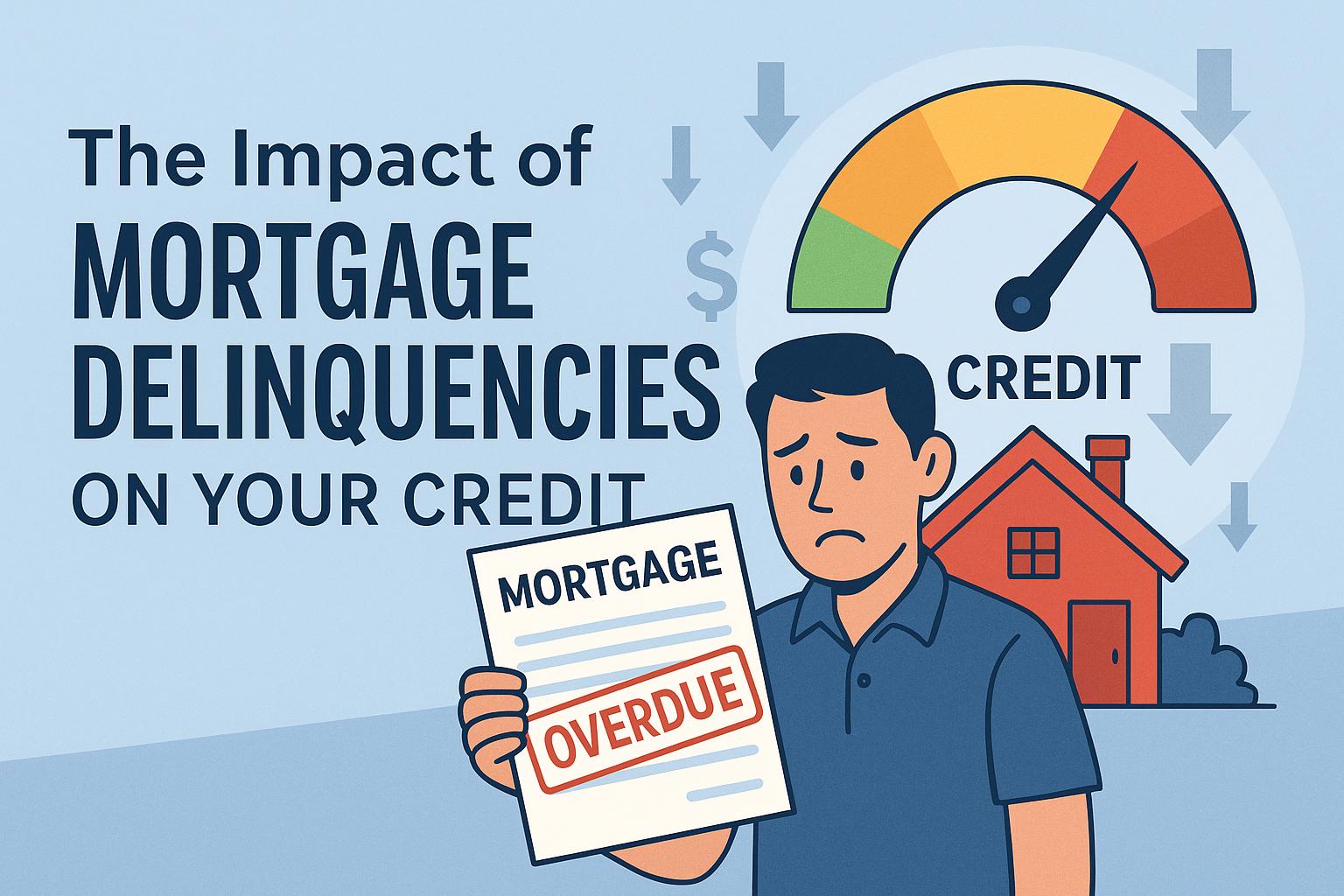
Mortgage delinquencies can significantly affect your credit score and overall financial health. Understanding the consequences of missed mortgage payments and how they impact your credit is crucial for maintaining financial stability. In this article, we will explore how mortgage delinquencies affect credit scores, how they are reported on credit reports, and steps you can take to mitigate their impact.
A mortgage delinquency occurs when a borrower fails to make their monthly mortgage payment by the due date. Typically, lenders offer a grace period of 15 days past the due date before classifying the payment as delinquent. This grace period allows borrowers some leeway in case of unforeseen circumstances. It is important to note that once a payment is more than 30 days late, it becomes seriously delinquent, and most lenders will report this to the credit bureaus. Even a single missed payment can result in this more severe level of delinquency if left unaddressed.
When a mortgage payment becomes seriously delinquent, it gets reported to the major credit reporting agencies: Equifax, Experian, and TransUnion. This report can have a substantial negative impact on your credit score. According to FICO, the frequency and recency of delinquencies are critical factors in credit scoring models. Typically, the more recent and frequent the delinquency, the greater the harm to your score. Multiple delinquencies further compound the issue, potentially making recovery more challenging.
Credit reports detail your credit history, including positive behaviors like timely payments as well as negative factors like delinquencies. Once reported, delinquencies can remain on your credit report for up to seven years. During this time, they can influence how lenders perceive your creditworthiness, impacting not just your ability to secure new loans but also potentially affecting other areas like car insurance rates or even employment opportunities in industries where credit checks are standard.
The extent to which a mortgage delinquency affects your credit score depends on several factors, including your overall credit profile. For example, an individual with an excellent credit history may see a more considerable drop in their score compared to someone with an already lower score. FICO score drops can range anywhere from 50 to 100 points or more, significantly affecting a borrower’s ability to secure future loans at favorable rates. The severity is often more profound for those who have maintained a previously impeccable credit record, as the contrast between past and current performance becomes stark to potential lenders.
Beyond the immediate impact, a lower credit score can have lasting repercussions. Higher loan interest rates, reduced borrowing power, and increased security deposits for utilities or rentals become more likely. Thus, a single delinquency can create a cascade of financial challenges, emphasizing the importance of addressing issues promptly and effectively.
Thankfully, credit scores can recover over time with responsible financial behavior. Here are a few steps you can take to address the impact of a mortgage delinquency:
1. Communicate with Your Lender: If you anticipate difficulty making payments, contact your lender as soon as possible. They may offer options such as forbearance, loan modifications, or repayment plans that can prevent delinquencies from affecting your credit. Open and honest communication can lead to temporary solutions that provide the breathing room needed to stabilize your financial situation.
2. Make Payments on Time: Ensuring all future payments are made on time is critical for improving your credit score over time. Timely payments are one of the most significant factors in credit scoring. Setting up automatic payments or reminders can help maintain consistency, reducing the risk of missed payments due to oversight.
3. Monitor Your Credit Report: Regularly checking your credit report allows you to track your progress and ensure that all information is accurate. You can obtain one free credit report annually from each of the three major credit bureaus from AnnualCreditReport.com. Disputing errors promptly can also aid in maintaining your credit accuracy, potentially mitigating some of the negative impacts.
4. Reduce Other Debts: Lowering your overall debt load can positively impact your credit utilization ratio, a key factor in credit scoring, thereby supporting your overall credit score improvement. By focusing on reducing credit card balances and other high-interest debts, you simultaneously ease financial strain and project a more manageable debt profile to future lenders.
Additionally, developing a comprehensive budget focusing on reducing unnecessary expenses and channeling funds towards debt reduction can expedite financial recovery. Diversifying streams of income, for example through part-time work or freelance opportunities, can also aid in managing financial commitments and building a safety net to prevent future delinquencies.
Understanding the impact of mortgage delinquencies on your credit is essential for making informed financial decisions. By addressing delinquencies proactively and maintaining good credit habits, you can mitigate their negative effects and improve your financial stability over time. Incorporating long-term planning and seeking financial advice when necessary can further solidify your journey towards robust credit health, safeguarding against future credit-related challenges.
This article was last updated on: May 17, 2026