
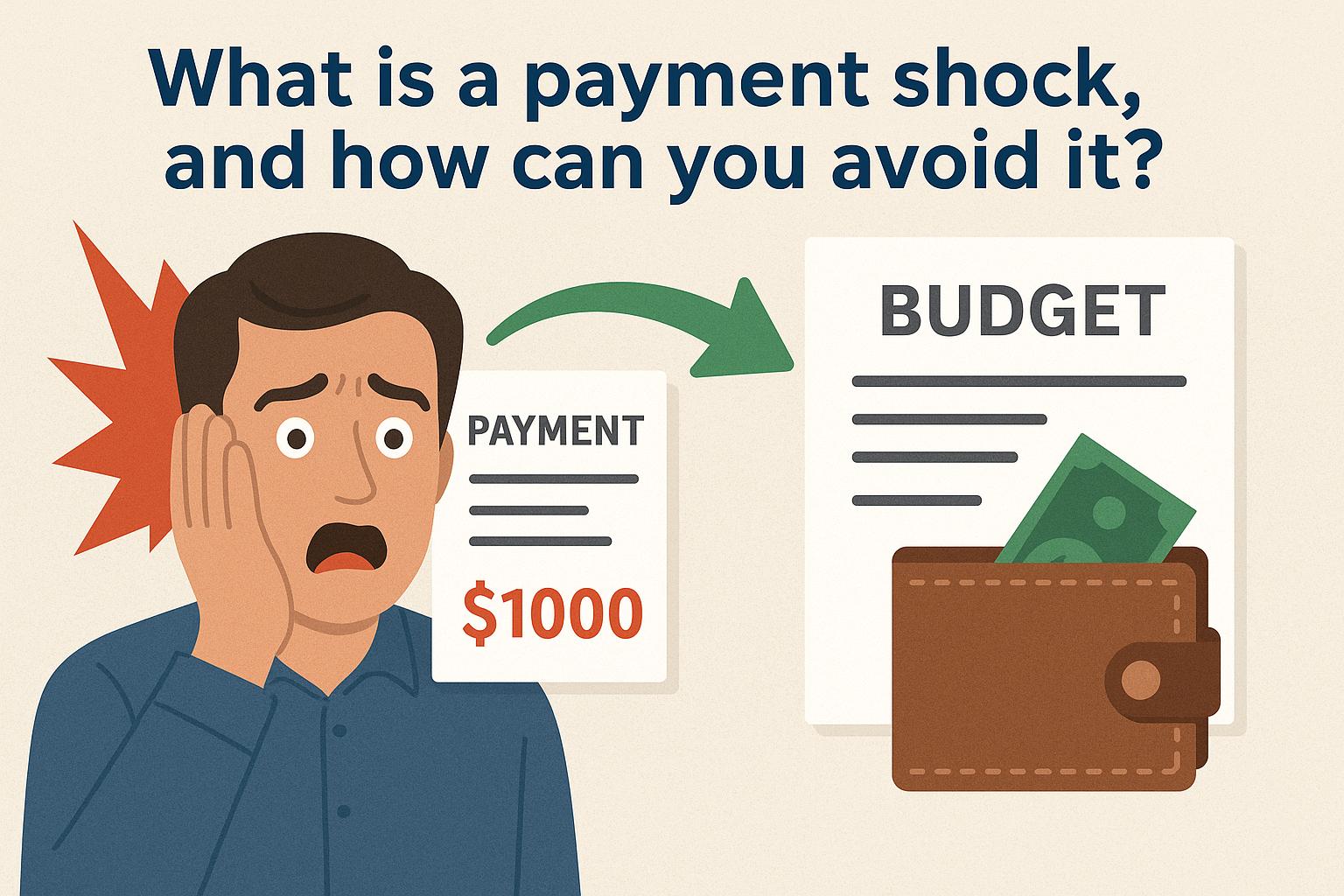
Payment shock occurs when a borrower experiences a significant increase in their monthly loan payments. This is a common concern, especially for those with adjustable-rate mortgages (ARMs), interest-only loans, or loans nearing the end of a fixed-rate period. The sudden increase can strain a borrower’s financial situation, and it’s important to understand how it can happen and how to mitigate its impact.
It is essential to grasp the underlying reasons behind payment shock to effectively address and possibly prevent it. Here are some primary causes:
Adjustable-rate mortgages, known as ARMs, typically offer lower initial interest rates compared to fixed-rate mortgages. This attractive initial rate can be beneficial for borrowers in the short term, as it generally translates to lower starting monthly loan payments. However, the inherent nature of ARMs entails that these interest rates are only fixed for a certain period. Once this introductory fixed period concludes, the interest rate on the mortgage begins to fluctuate based on prevailing market conditions. If the broader market interest rates rise significantly during this adjustment period, borrowers will likely find themselves facing much higher monthly payments as a consequence.
In interest-only loans, borrowers are required to pay only the interest amount for a predefined period at the beginning of the mortgage term. This setup results in initially lower monthly payments, which many find appealing when budgeting. However, this interest-only phase will eventually conclude. Once it does, borrowers are obligated to start repaying the principal sum in addition to the interest. This transition from interest-only to full repayment can cause a substantial increase in monthly payments, which might come as a shock to those unprepared for such a change.
Another factor contributing to potential payment shock is the presence of balloon payments, primarily associated with certain loan structures. Balloon payments refer to a large lump sum that a borrower must pay at the end of the loan term. Loans with this feature tend to have lower regular monthly payments throughout the loan’s duration. However, at the term’s end, borrowers may face the challenge of paying a significant amount in one go. For individuals who have not anticipated this substantial financial obligation, the necessity of a balloon payment can lead to a severe financial jolt.
While payment shock can indeed present substantial challenges, there are proactive measures borrowers can take to minimize its effects on their finances. Consider the following strategies:
Before committing to any loan agreement, it is crucial to thoroughly review and understand the loan’s structure and terms. This includes gaining insight into when adjustments may occur, the new potential payment amounts following adjustments, and any associated fees with loan conversions or adjustments. By doing so, borrowers can plan adequately for anticipated changes, preventing unforeseen financial hardships.
Those looking for stability and predictability in their financial planning may find fixed-rate mortgages appealing. Unlike adjustable-rate options, fixed-rate loans offer consistent monthly payments throughout the loan term. This consistency acts as a buffer against sudden increases in payments that could result from fluctuations in the interest rate market. For borrowers prioritizing predictability and long-term financial stability, fixed-rate mortgages offer a significant advantage.
Borrowers currently engaged in an adjustable-rate mortgage who anticipate future rate increases might benefit from considering refinancing options. Transitioning to a fixed-rate loan through refinancing allows borrowers to secure stable interest rates, thus managing and potentially lowering monthly payments. However, it is essential to be mindful of any potential refinancing costs. Evaluating whether these costs outweigh the benefits of refinancing is crucial in ensuring a financially beneficial decision. For more detailed information and personalized advice, consider consulting a trusted financial advisor.
Proactively preparing for potential payment increases is also key in managing the effects of payment shock. Doing so involves creating a thoughtful budget that accounts for possible future adjustments in monthly payments. Setting aside additional funds each month in anticipation of such adjustments can serve as a financial buffer, ensuring borrowers are better equipped to handle any increase with reduced stress.
Some lending institutions offer borrowers the option of gradually adjusting payment amounts, which can be beneficial in mitigating the sudden onset of increased payments. When available, accepting this option can ease the financial transition, alleviating the immediate strain a sudden spike in payments might cause.
Understanding the potential for payment shock and adopting proactive measures to circumvent or mitigate its impact can significantly lessen the strain on financial resources. By carefully choosing the right loan, planning comprehensively for potential changes, and effectively managing personal finances, borrowers can shield themselves from the adverse effects of payment shock. For ongoing education and guidance on managing loans more effectively, exploring financial education resources such as Investopedia can prove invaluable. Remember, being informed and prepared constitutes the foundational step toward achieving financial stability.
This article was last updated on: August 9, 2026