
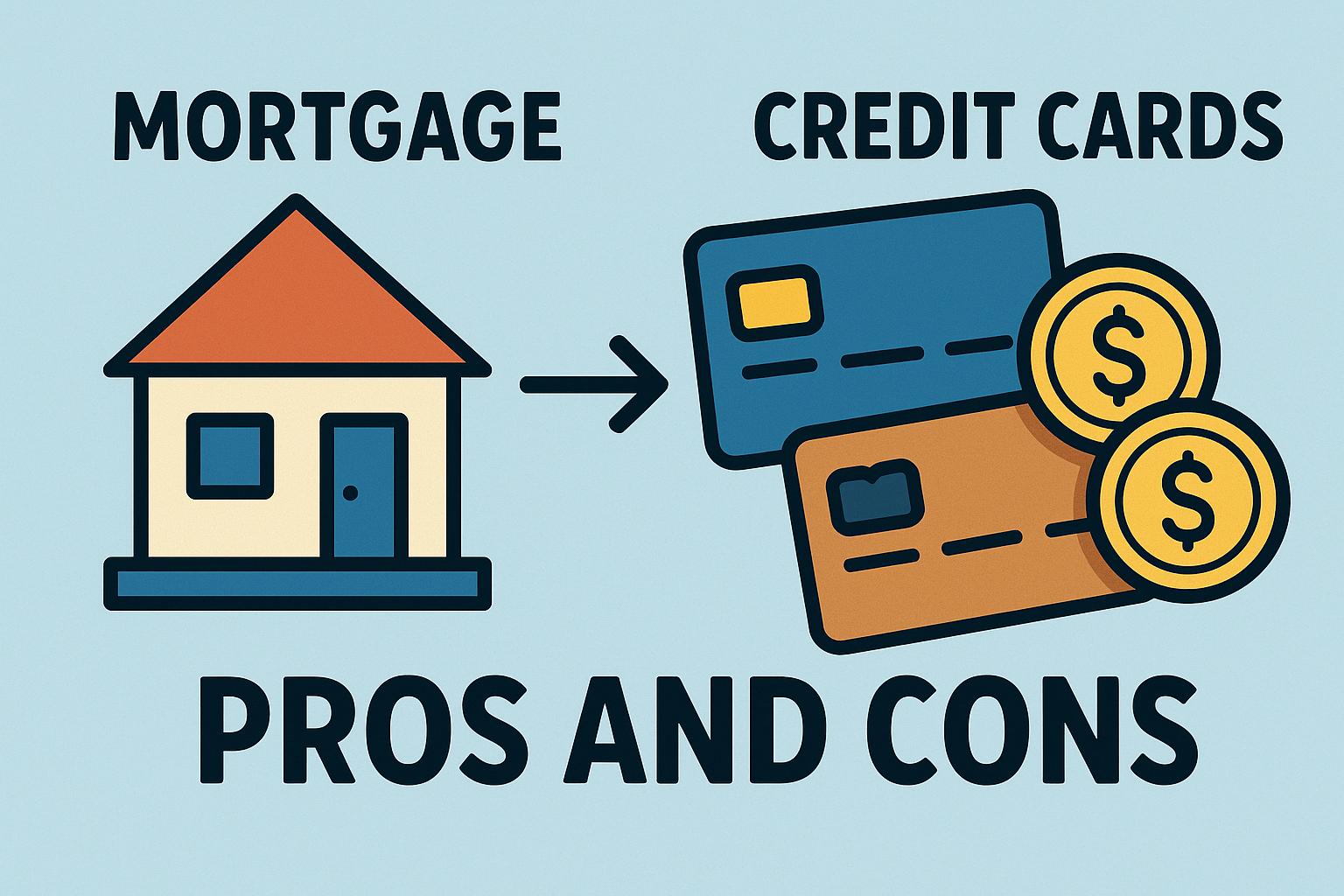
The notion of utilizing credit cards to pay a mortgage is an intriguing yet unconventional financial strategy that has garnered attention among homeowners exploring diverse payment methods. This strategy essentially involves using a credit card to settle mortgage payments, a concept that can present unique advantages while simultaneously harboring significant risks. In this discussion, the potential benefits and drawbacks of this payment option are examined comprehensively. By understanding the various aspects of using credit cards for mortgage payments, homeowners can make informed decisions that align with their financial objectives and circumstances.
Reward Points and Cash Back
A major appeal in using credit cards for mortgage payments lies in the opportunity to earn reward points, frequent flyer miles, or cash back. Many credit cards are designed to offer these incentives, allowing users to accumulate points with each purchase. This reward system can then be leveraged to obtain travel discounts, merchandise, or statement credits. When these rewards are maximized, they could potentially offset some of the costs associated with mortgage payments, leading to slight financial benefits over time. Nonetheless, it is essential for cardholders to evaluate the terms of their credit card agreements, focusing on how points can be accrued and redeemed, to ensure optimal benefits from the utilization of their credit cards.
Payment Flexibility
Credit cards can introduce an additional layer of payment flexibility, particularly beneficial during episodes of financial hardship. By charging a mortgage payment to a credit card, homeowners may avoid the immediate impact on their liquid cash flow. This approach potentially allows for more time to amass the necessary funds, serving as a temporary financial buffer. However, this benefit requires careful consideration and management to prevent accumulating overwhelming debt from unpaid credit card balances.
Introductory Offers
Certain credit cards offer promotional 0% introductory Annual Percentage Rates (APR) on purchases for a designated period. Such introductory offers can be enticing, allowing cardholders to make mortgage payments without incurring interest, provided the balance is paid within the promotional timeframe. This scenario could resemble an interest-free loan, offering potential financial relief. However, strategic management is crucial to avoid interest charges once the promotional period ends.
Fees and Costs
Payments made via credit cards often attract extra fees imposed by intermediary services, as most mortgage lenders do not directly accept credit cards as a payment medium. These fees generally range between 2% and 3% of the payment amount. The fees may outweigh the advantages, such as reward points, reducing the effectiveness of such a strategy. Homeowners need to calculate whether the rewards earned offset the fees incurred, to determine whether this payment method is financially viable.
High-Interest Rates
In situations where the full credit card balance is not settled, the homeowner could be subjected to high-interest charges on the remaining balance. Credit cards often come with substantially higher interest rates compared to traditional loans, which can cause the cost of mortgage payments to increase dramatically and lead to accumulating debt. This particular challenge highlights the necessity for homeowners to reassess their ability to consistently pay off their credit card balances in full each month.
Impact on Credit Score
Using credit cards for substantial payments such as a mortgage can escalate the credit utilization ratio, especially when significant amounts are charged relative to the available credit limit. A high utilization ratio is generally perceived negatively by credit scoring models, potentially leading to a depreciation of credit scores. A lower credit score can consequently affect borrowing capacity and financial opportunities in the future. Homeowners must consider the long-term effects on their credit health when opting to employ credit cards for mortgage payments.
The strategy of paying a mortgage with a credit card offers certain advantages, such as the potential to accumulate rewards and a temporary solution for financial relief. Nevertheless, the accompanying fees, the prospect of high-interest debt, and the potential negative repercussions on credit scores must be diligently considered. Homeowners ought to conduct a thorough evaluation of their personal financial situations, the rewards programs offered by their credit cards, and the terms and conditions specified by their credit card agreements before proceeding with this unconventional payment method. It is often advisable for homeowners to consult with a financial advisor to discuss different payment options and explore the feasibility and long-term ramifications of adopting credit cards as a vehicle for managing significant monthly expenses such as mortgage payments.
This article was last updated on: September 27, 2026