
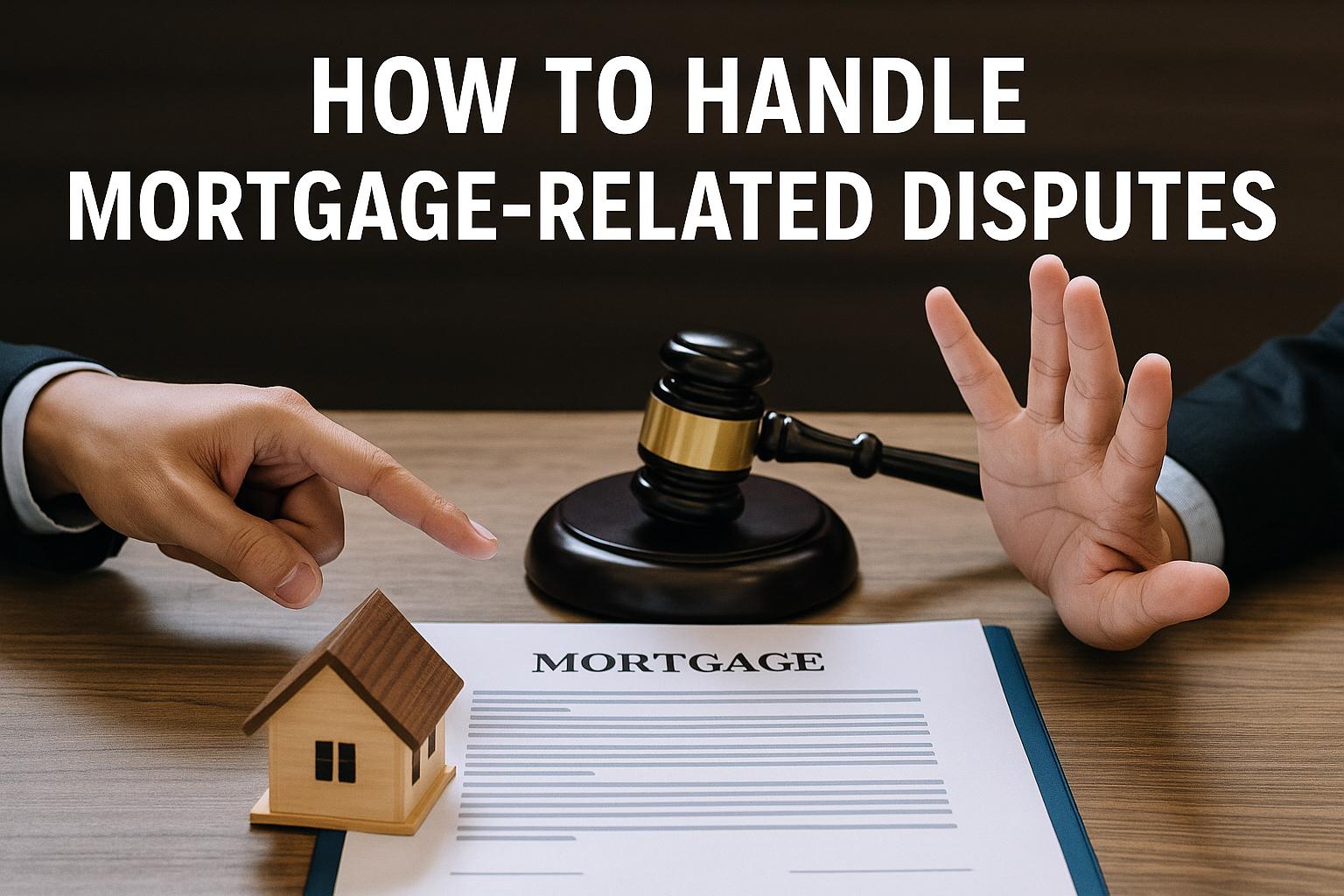
Mortgage-related disputes are a common concern in the realm of homeownership, often stemming from various misunderstandings or disagreements between borrowers and lenders. These disputes can have substantial implications for a borrower’s financial health, influencing not only their financial stability but also their credit rating. As such, a comprehensive understanding of the common issues that lead to these disputes and how to effectively address them is crucial for anyone navigating the mortgage landscape.
There are several factors that can trigger mortgage-related disputes. A few prevalent causes include:
Loan Servicing Errors: Errors in payment processing or management of escrow accounts can lead to disputes regarding the amount owed or the allocation of funds. Such errors might occur due to clerical mistakes or miscommunications within the servicing company.
Misinformation: A lack of clarity or misunderstandings surrounding the terms of the loan, interest rates, or the payment schedule can often result in conflicts. Borrowers may perceive they have agreed to certain terms, only to find discrepancies in the contract, leading to frustration and disputes.
Foreclosure Processing: Disagreements can also arise from the process of foreclosure, especially regarding the borrower’s eligibility for relief programs or other foreclosure alternatives. These disputes are often emotionally and financially taxing, adding another layer of difficulty to an already challenging situation.
Effective resolution of mortgage disputes can often require a structured approach. Here are some essential steps to consider when aiming to resolve such issues:
The initial step in tackling a mortgage dispute involves a thorough review of all pertinent documents. This includes understanding your loan agreement, payment history, and any correspondence related to the ongoing dispute. A firm grasp of the contract terms is essential for identifying possible errors or miscommunications, enabling a clearer path to resolution.
A key step in dispute resolution is initiating a direct conversation with your lender. Often, clear communication can alleviate misunderstandings, paving the way for an agreement. It is crucial to document all interactions meticulously, including phone calls, emails, and face-to-face meetings, as this documentation can be vital if the dispute escalates.
If verbal discussions do not lead to a satisfactory resolution, drafting a formal written complaint is the next logical step. This document should articulate your concerns in detail and be accompanied by supporting documentation, such as payment receipts and prior correspondence with the lender. A well-constructed complaint can sometimes make the difference in achieving a resolution.
If disputes persist, despite prior efforts, it may be prudent to seek assistance from a housing counselor or an attorney who specializes in mortgage-related issues. These professionals have the expertise to navigate complex disputes and offer guidance and representation if necessary. Their involvement can often facilitate a more favorable outcome.
Should informal resolution attempts prove ineffective, escalation to mediation or formal dispute resolution mechanisms may be necessary. Many states provide resources for mediation services, enabling a neutral negotiation process. Mediation can be an efficient way to resolve disputes without the need for litigation, offering both parties a less adversarial path to a settlement.
Preventing mortgage-related disputes involves a proactive approach in terms of both engagement and education. Future disputes can often be avoided by adopting some best practices:
Stay Informed: Regularly review your mortgage statement and maintain accurate records of all transactions. Staying informed prevents misunderstandings and ensures that any discrepancies are caught early.
Communicate Promptly: Immediate action is vital when addressing discrepancies or concerns with your lender. Timely communication can prevent small issues from escalating into larger disputes.
Seek Clarity: Before signing any mortgage agreements, ensure that you fully understand all the terms and conditions. Don’t hesitate to ask questions or seek clarifications from your lender to ensure full transparency and understanding.
In summary, resolving mortgage-related disputes necessitates a combination of proactive measures and informed actions. By ensuring a thorough understanding of your mortgage terms and maintaining open, documented communication with your lender, you can manage and resolve disputes effectively. Additionally, seeking professional guidance when necessary, and engaging in mediation if informal attempts fail, can lead to successful dispute resolution. Implementing strategies for the prevention of future disputes will ultimately contribute to maintaining financial stability and peace of mind throughout the mortgage period.
This article was last updated on: April 12, 2026