
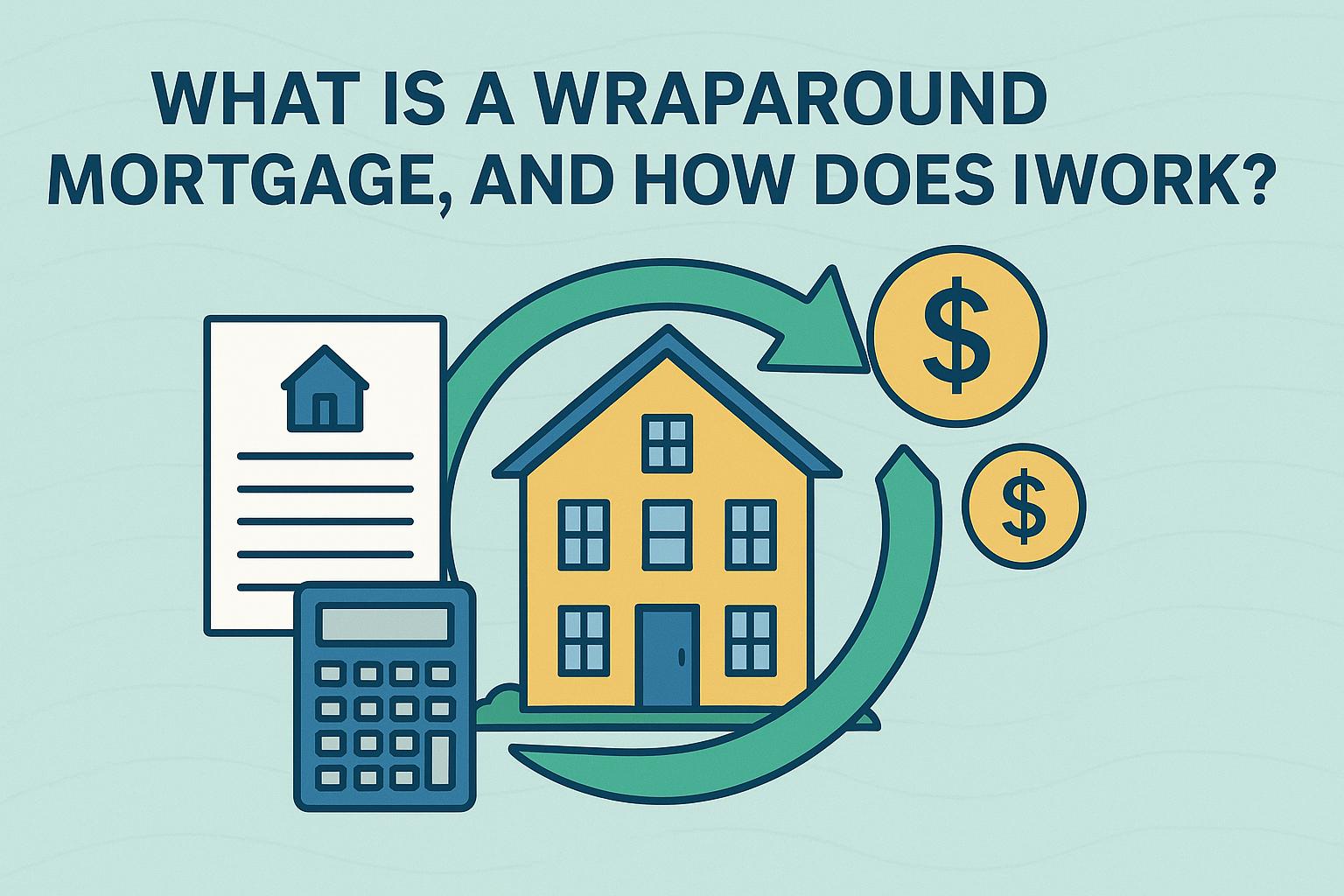
A wraparound mortgage is a distinctive form of real estate financing that provides a unique solution for both property sellers and buyers. It allows the seller to retain their existing mortgage while providing a secondary loan to the buyer. This option is particularly useful when traditional financial avenues may not be suitable or possible. To gain a comprehensive understanding of wraparound mortgages, it is vital to delve into its mechanics, benefits, risks, and total legal implications.
A wraparound mortgage functions by converting the seller into the lender for the buyer. In this arrangement, the buyer commits to monthly payments to the seller, who then continues with their obligation to make payments on the original mortgage. This mechanism effectively “wraps” around any existing mortgage balance, while also accounting for any additional funds needed to reach the agreed sale price.
Existing Mortgage: The original mortgage held by the seller does not get eliminated. Instead, the seller remains accountable for fulfilling the payment obligations to their lender.
New Loan: A new mortgage is provided to the buyer by the seller, covering the entire purchase price reduced by any down payment made. This new mortgage essentially wraps around the initial one.
Interest Rates and Terms: Interest for the wraparound mortgage is customarily higher than the seller’s existing mortgage rate. The conditions, terms, and loan duration are collaboratively negotiated between the buyer and seller.
A wraparound mortgage can offer several advantages to buyers and sellers, making it an attractive option under specific circumstances.
For buyers, this financing mechanism is beneficial, especially when traditional mortgage providers are not a feasible option, perhaps due to stringent lending criteria or adverse economic conditions that elevate interest rates. It enables buyers, who might otherwise struggle, to access the real estate market.
For sellers, a wraparound mortgage can hasten the transaction of challenging properties by offering buyers an alternative financing path. Additionally, sellers can earn interest at the negotiated rate, potentially profiting from the spread between the original loan interest and the higher rate on the wraparound mortgage.
Despite its benefits, there are several risks and considerations linked with wraparound mortgages. One noteworthy risk involves the original mortgage lender’s “due-on-sale” clause, which permits them to request complete mortgage repayment once ownership transfers. This elevates the necessity for the seller to acquire lender consent before pursuing a wraparound mortgage.
There is also a risk from the buyer’s perspective. If the seller defaults on the original loan, the buyer faces the danger of foreclosure. Thus, it is essential that buyers conduct a comprehensive evaluation of the seller’s financial condition and establish a well-drafted legal contract before executing a wraparound mortgage deal.
Thorough legal and financial scrutiny is paramount before diving into a wraparound mortgage agreement. Both buyers and sellers should seek professional guidance to craft detailed contracts that encapsulate all terms, reducing the possibility of future disputes and mitigating legal risks.
While a wraparound mortgage offers unique purchasing and selling advantages within the property market, given its intricate nature and associated risks, thoroughness in addressing these risks cannot be overemphasized. Careful contemplation is imperative to safeguard one’s interests. Exploring further into the spectrum of mortgage options and navigating market dynamics warrants engaging a mortgage market consultant or an expert in real estate legalities.
Examining wraparound mortgages within the broader spectrum of financing solutions reveals the complexity and layered benefits they may yield. They present an excellent alternative, provided all parties involved conduct due diligence in consideration of every aspect of this financial arrangement. Such mortgages demand precise negotiation and comprehensive legal documentation to achieve mutually beneficial outcomes with reduced exposure to risks. Embracing expert advice and consultation as a routine part of the process ensures a robust framework that accommodates both buyers and sellers’ objectives effectively.
This article was last updated on: April 5, 2026