
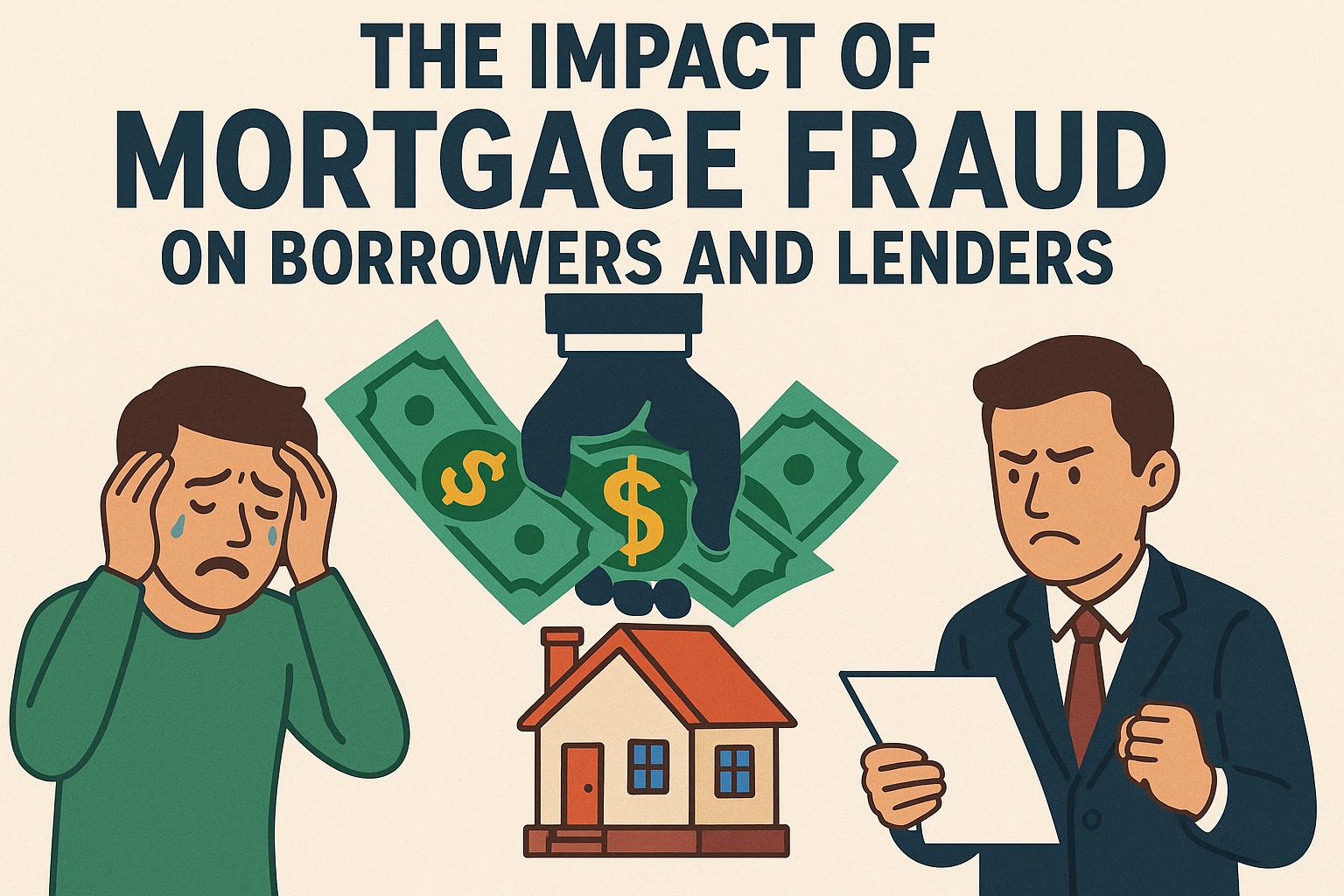
Mortgage fraud is a deceptive practice that involves the misrepresentation or omission of essential information during the mortgage application process. It is a significant issue that affects both borrowers and lenders by leading to long-term financial and legal consequences. Understanding the various dynamics of mortgage fraud is crucial, as it aids in recognizing its implications and taking preventive measures to curb its occurrence. This article will explore the common types of mortgage fraud, their impact on borrowers and lenders, and the strategies that can be employed to prevent such fraudulent activities.
Mortgage fraud can manifest in numerous forms, each with its distinct mechanism and implications. It is essential to identify and comprehend these types to effectively mitigate the risks involved.
One common type of mortgage fraud involves the misrepresentation of income and assets by borrowers. This occurs when individuals exaggerate their financial capabilities to qualify for a larger loan than they can realistically afford. The consequences of such actions can be severe, leading to financial strain and the potential for future defaults.
Appraisal fraud involves the manipulation of property valuations, typically through bribery or collusion with an appraiser. This type of fraud results in an inflated property value, which impacts both the lender’s risk assessment and the borrower’s mortgage amount. It undermines the credibility of the appraisal process and can have far-reaching effects on the housing market.
Inflated purchase price fraud occurs when a seller conspires with a buyer to report a higher sales price than the actual transaction value. This ploy is designed to secure a larger loan amount. While it may benefit the conspirators in the short term, it presents significant risks for lenders and can lead to financial instability for the borrower if the property does not retain its inflated value.
The repercussions of mortgage fraud for borrowers are profound. Engaging in fraudulent activities can lead to a series of adverse outcomes, affecting various aspects of their financial well-being.
Borrowers who misrepresent their income or assets often face higher loan costs in the form of elevated interest rates or additional fees. Lenders compensate for the perceived increased risk by applying more stringent financial terms. This can lead to a substantial increase in the overall cost of borrowing, which may become unmanageable over time.
Taking on a mortgage that exceeds one’s financial capacity significantly increases the risk of default and foreclosure. Borrowers may find themselves overwhelmed by unaffordable mortgage payments, leading to financial distress and the potential loss of their home. This situation adversely impacts their credit scores and long-term financial stability.
Engaging in mortgage fraud is illegal and carries severe legal consequences. Borrowers found guilty of such acts may face hefty fines or even criminal charges. These legal repercussions can have lasting effects on their lives, further jeopardizing their financial future and making it difficult to secure loans or other financial products in the future.
Lenders also experience significant effects due to mortgage fraud. The financial health and operational stability of lending institutions can be severely compromised by fraudulent activities.
Loans originating from fraudulent applications are inherently riskier and more prone to default. When such loans default, lenders face financial losses. The increased likelihood of default translates into lost revenue and can strain the lender’s financial resources, impacting their ability to operate efficiently.
Lenders involved in mortgage fraud cases must bear the costs related to legal actions and settlements. Engaging in litigation and regulatory compliance processes necessitates considerable financial and human resources. These costs not only strain the lender’s budget but also redirect attention from core business activities.
The perception of a lender as being vulnerable to fraud can damage its reputation. Customers may lose trust in the institution’s ability to manage and mitigate risks, leading to a loss of existing clients and potential customers. Rebuilding a tarnished reputation in the competitive mortgage industry can be a daunting task, affecting the lender’s long-term prospects.
Preventing mortgage fraud is a critical undertaking for both borrowers and lenders. By adopting a variety of strategies, stakeholders can effectively reduce the risk and prevalence of fraudulent activities.
Implementing strict verification processes for income and assets is an essential step in detecting false information early in the mortgage application process. Lenders can utilize thorough documentation and cross-check information with reliable sources to ensure accuracy and authenticity.
Educating borrowers about the legal and financial implications of mortgage fraud serves as a deterrent against fraudulent activities. Providing clear and accessible information regarding the application process and potential consequences helps foster a more informed and compliant borrower base.
Leveraging technological advancements, such as data analysis and artificial intelligence, can aid in identifying patterns indicative of fraudulent behavior. These tools can analyze large volumes of data to flag anomalies and potential red flags, thereby enhancing the detection and prevention capabilities of lenders.
Lenders can employ robust risk assessment and management practices to better understand and mitigate the risks associated with mortgage transactions. By regularly reviewing and updating risk management protocols, lenders can adapt to evolving threats and ensure they remain vigilant against potential fraud.
Collaboration between financial institutions and regulatory bodies facilitates the sharing of information and best practices. By working together, stakeholders can develop industry standards and protocols that enhance the overall integrity of the mortgage process. Information sharing also enables the timely identification and response to emerging fraud trends.
Mortgage fraud poses significant challenges to the financial well-being of both borrowers and lenders. Understanding its common forms and implementing effective preventive measures are crucial steps in reducing its impact. Through enhanced verification processes, education, technological solutions, risk management practices, and collaborative efforts, stakeholders can work towards a more secure and trustworthy mortgage industry. For more information on mortgage industry practices and fraud prevention, consider visiting resources provided by the Consumer Financial Protection Bureau or similar financial oversight entities.
This article was last updated on: July 12, 2026