
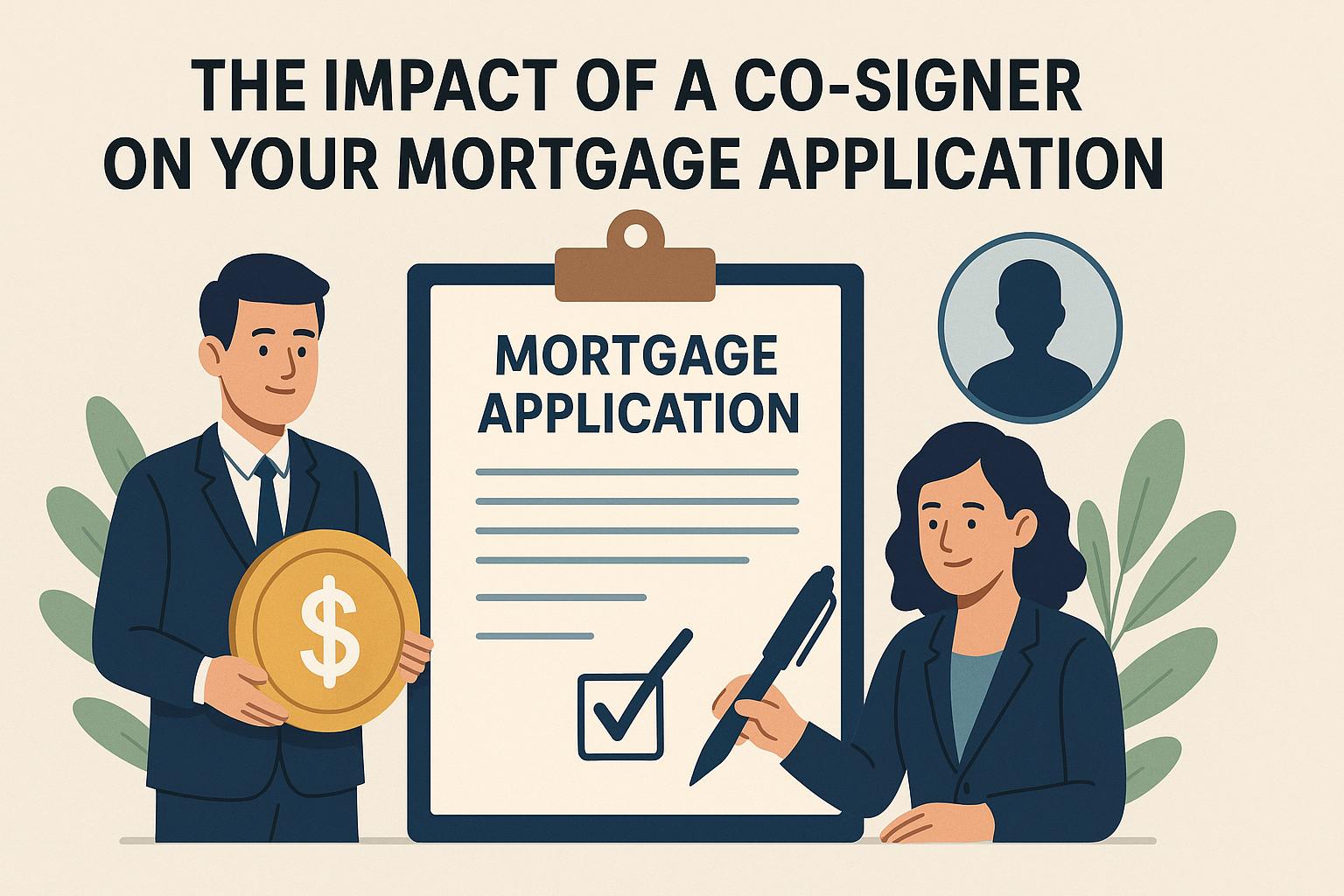
When considering applying for a mortgage, the idea of involving a co-signer often arises, especially for those who may face challenges qualifying on their own. A co-signer can significantly influence the outcome of a mortgage application, but it’s important to understand how their involvement impacts the process and the responsibilities it entails.
One of the primary benefits of having a co-signer is the potential improvement in loan approval chances. If your credit score is less than ideal or your income is insufficient, a co-signer with a strong financial profile can make your application more attractive to lenders. In the eyes of lenders, a co-signer strengthens the application by providing an additional assurance that the mortgage will be repaid, significantly reducing their risk.
Lenders assess the combined credit scores and income, which may lead to more favorable terms. This means that even if the primary borrower’s profile is not strong, the admirable financial background of the co-signer can balance the scales positively. This situation is particularly beneficial for young homebuyers or individuals with limited or poor credit history who might face tough scrutiny from lenders if they were to apply singly.
A co-signer can also help in securing better borrowing terms. With improved creditworthiness, you might be eligible for lower interest rates, saving significant amounts over the life of the loan. Lower interest rates not only reduce your monthly payments but also decrease the total cost of the mortgage. In some cases, having a co-signer could mean additional advantages such as avoiding private mortgage insurance or qualifying for different types of loans with unique benefits.
The involvement of a co-signer effectively signals to the lending institution that the applicant poses a lower risk, which in turn, often allows the lender to offer more favorable loan terms. As a result, the borrower could find their mortgage offer including reduced origination fees or the inclusion of clauses that entail less stringent penalties for late payment scenarios.
While a co-signer can aid in securing a mortgage, they also assume considerable responsibilities. By co-signing, they agree to be equally liable for the mortgage. Should you, as the primary borrower, default on payments, the lender will expect the co-signer to cover any missed payments. This obligation can affect the co-signer’s credit score and financial standing. Therefore, it becomes crucial for both parties to maintain open communication regarding payment schedules and any potential financial difficulties that could arise.
In addition to the responsibility of covering missed payments, the mortgage will appear on the co-signer’s credit report. This can impact their debt-to-income ratio, potentially affecting their ability to qualify for other loans. For instance, if the co-signer intends to borrow from elsewhere for personal needs, the presence of an ongoing mortgage might influence their borrowing capacity unfavorably.
It’s essential that co-signers fully comprehend these implications before agreeing to this role. They must assess the potentiality of their credit utilization rates increasing or their credit scores fluctuating due to the shared mortgage balance. It is imperative for potential co-signers to have a keen understanding of their own financial health and how such a commitment could alter it.
The presence of a co-signer does not necessarily eliminate all risks. If the primary borrower defaults, not only does the co-signer face potential credit issues, but the relationship between both parties can also be strained. Financial burdens often extend beyond mere monetary considerations and could potentially affect personal relationships deeply if not managed with care.
Open communication and clear expectations are crucial before proceeding with this arrangement. Both parties should enter the agreement with a mutual understanding that comprehensively addresses financial commitments, the timeline for mortgage payments, and contingencies for any foreseeable financial challenges. Establishing a strong foundational agreement minimizes potential conflicts and ensures that both the borrower and co-signer are aligned in their understanding and expectations.
It is advisable for both parties to consider legal advice before finalizing any co-signing arrangements. An agreement outlining each party’s responsibilities can safeguard against future misunderstandings. Legal counsel can help draft a comprehensive document that defines clearer boundaries and provisions for repayment contributions. Such a document could also specify the potential terms for the co-signer’s release from the mortgage, thus providing a sense of security and foresight for both parties.
For those hesitant about involving a co-signer, alternatives such as improving one’s own credit score, borrowing a smaller amount, or exploring government-backed loans may be viable options. Engaging in credit-building activities, such as reducing existing debt and ensuring timely payments of current bills, can gradually enhance an individual’s credit profile, potentially increasing their borrowing power.
Additionally, aspiring homeowners can explore avenues such as first-time homebuyer programs or federal loan programs that come with their own set of advantages and reduced qualification bottlenecks. These routes might provide the needed support without the shared liability and diminish the necessity for a co-signer.
The introduction of a co-signer in a mortgage application can offer several advantages, including enhanced approval chances and better loan terms. However, it also involves shared financial responsibility, impacting both the primary borrower and the co-signer. Careful consideration and clear communication are essential to making this arrangement beneficial for all parties involved. Each individual’s financial situation is unique, so informed decision-making benefits from thorough discussions and professional advice.
For detailed guidance tailored to individual circumstances, consulting with a financial advisor or mortgage professional can be invaluable. These experts can provide insights into the subtle nuances of mortgage agreements and help navigate the complexities involved in the borrowing process.
For further reading on mortgages and co-signing, consider looking into resources provided by local financial institutions or consult the Consumer Financial Protection Bureau.
This article was last updated on: December 25, 2025