
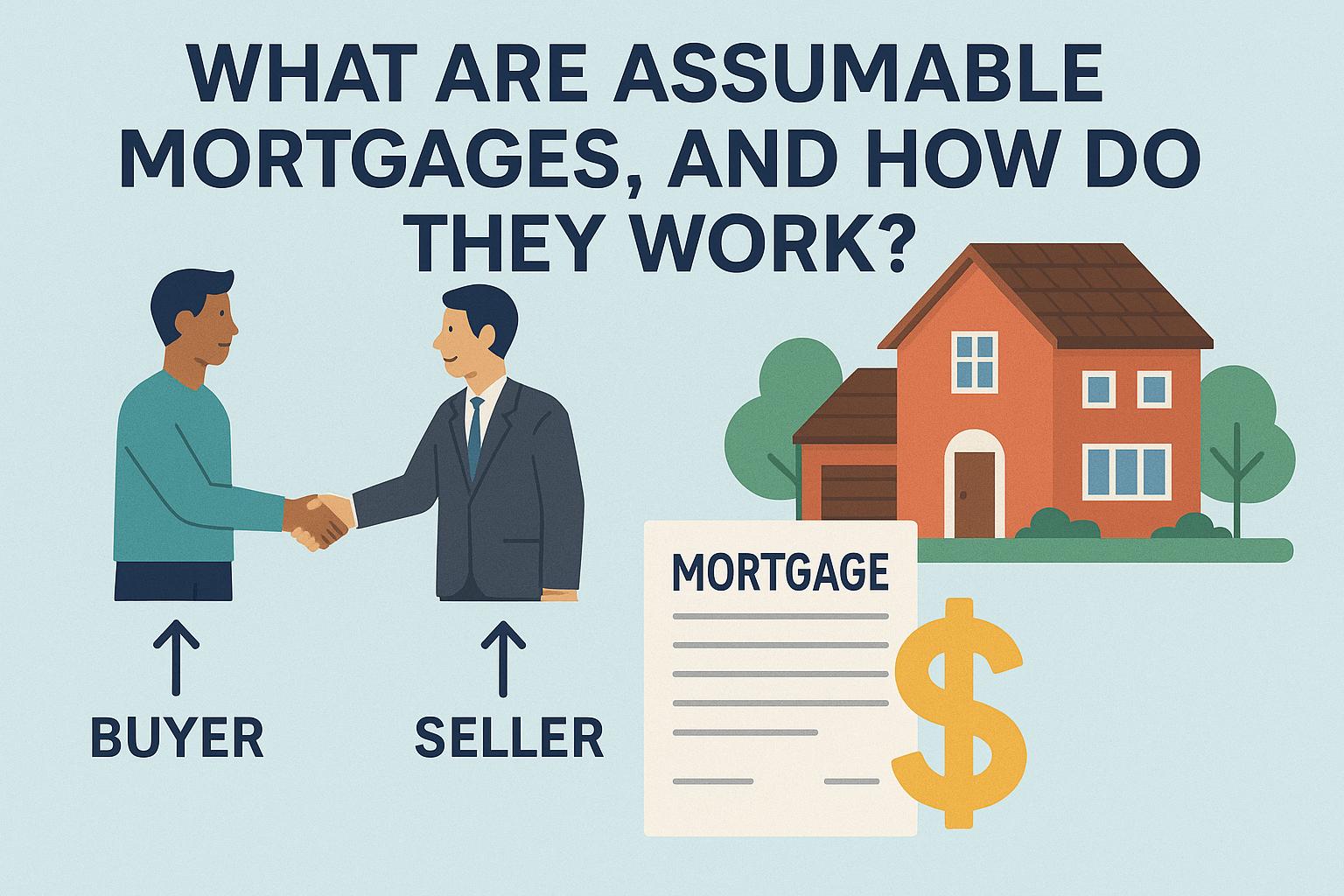
An assumable mortgage is a unique option within the realm of real estate financing that allows a new borrower to take over, or “assume,” the existing mortgage obligations of another borrower. This arrangement can prove beneficial under the right circumstances and provides a strategic option for both buyers and sellers in the housing market. In this expanded explanation, we will delve deeper into what assumable mortgages entail, how they work, their different types, benefits, challenges, and considerations for both parties involved.
The procedure of an assumable mortgage involves the buyer stepping into the shoes of the seller with respect to the property’s existing mortgage. Here’s how it typically unfolds:
1. **Initiation**: The process begins when a buyer and seller agree that the purchase of the property will involve assuming the existing mortgage.
2. **Eligibility Verification**: The buyer must then satisfy the lender’s criteria, which often involve a thorough credit assessment and verification of income. The purpose is to ensure that the buyer holds the financial capacity to meet the mortgage obligations just as the original borrower did.
3. **Approval and Transfer**: Once the lender confirms the buyer’s eligibility, the mortgage is officially transferred from the seller to the buyer. This transfer can sometimes involve the buyer paying a fee, which varies across lending institutions.
This straightforward transfer process can save both parties time and reduce the complexity associated with traditional mortgage application procedures. However, it must be noted that meeting the lender’s eligibility standards is a critical component of this procedure.
Assumable mortgages are typically limited to a few government-backed loan types:
– **Federal Housing Administration (FHA)** Loans: FHA loans are designed to help first-time homebuyers and are assumable under certain conditions.
– **Veterans Affairs (VA)** Loans: These loans are offered to veterans and active-duty military members, and their assumption can be a powerful option for eligible buyers.
– **USDA Loans**: Backed by the United States Department of Agriculture, these loans primarily assist rural homebuyers.
Conventional loans, on the other hand, usually include a due-on-sale clause. This clause effectively requires the full repayment of the mortgage upon the sale of the property, thereby preventing transfer and making them non-assumable.
The potential advantages of assumable mortgages can be significant:
Favorable Interest Rates: One of the foremost attractions of assumable mortgages is the possibility of taking advantage of a lower interest rate that the seller secured in a previous economic climate. This can lead to substantial savings over the life of the loan compared to current market rates.
Reduced Closing Costs: Given that the buyer is assuming an existing mortgage rather than originating a new one, the closing costs associated with the transaction can often be lower. For instance, costs related to origination fees and other charges typical of a new mortgage may be reduced.
Simplified Financing Process: The transfer of an existing mortgage simplifies and accelerates the financing process immensely. The assumption circumvents the need for the multitude of steps required in securing a new mortgage, streamlining the path to assuming homeownership.
Despite their potential benefits, assumable mortgages can also introduce challenges that buyers must evaluate:
– Down Payment Requirement: The buyer is often required to make a down payment reflecting the equity the seller has accrued in the home. This can translate into a significant cash outlay, which might be substantial if the previous owner has built up substantial equity over time.
– Lender Approval: The hurdle of obtaining lender approval remains a significant challenge. It involves fulfilling the lender’s criteria, which might be comparatively stringent and akin to pursuing a new loan.
– Limited Availability: Assumable mortgages are not as commonly available as other mortgage alternatives. This scarcity limits the options for buyers interested in this route and might necessitate significant searching and negotiation.
For both buyers and sellers, entering into a mortgage assumption agreement requires due diligence and strategic thinking:
– **For Buyers**: It is crucial to evaluate whether the benefits of assuming an existing mortgage outweigh the potential downsides, such as taking on the seller’s loan terms and conditions. Buyers must also account for any additional costs, such as the down payment or assumption fees.
– **For Sellers**: Sellers must consider whether a mortgage assumption may facilitate a quicker sale, especially if the mortgage terms are attractive compared to current market offerings. However, sellers need to remain aware of any liability concerns post-assumption, as certain agreements might stipulate ongoing responsibility if the buyer defaults.
Both parties should engage with professionals, such as mortgage brokers or financial advisors, who can provide specialized guidance and help navigate the complexities of assumable mortgages. Exploring this option thoroughly ensures that both buyers and sellers understand the financial implications and proceed with informed decisions.
In conclusion, while assumable mortgages provide a valuable tool in financing real estate transactions, they require careful assessment and understanding of both the benefits and limitations inherent in the process.
This article was last updated on: May 24, 2026